
Original characters · Images, video & voice
AI character generator for a world of your own.
Define an original character, generate visual directions, and carry the strongest ideas into short video and spoken audio from one creative workspace.
Direct answer
What is an AI character generator?
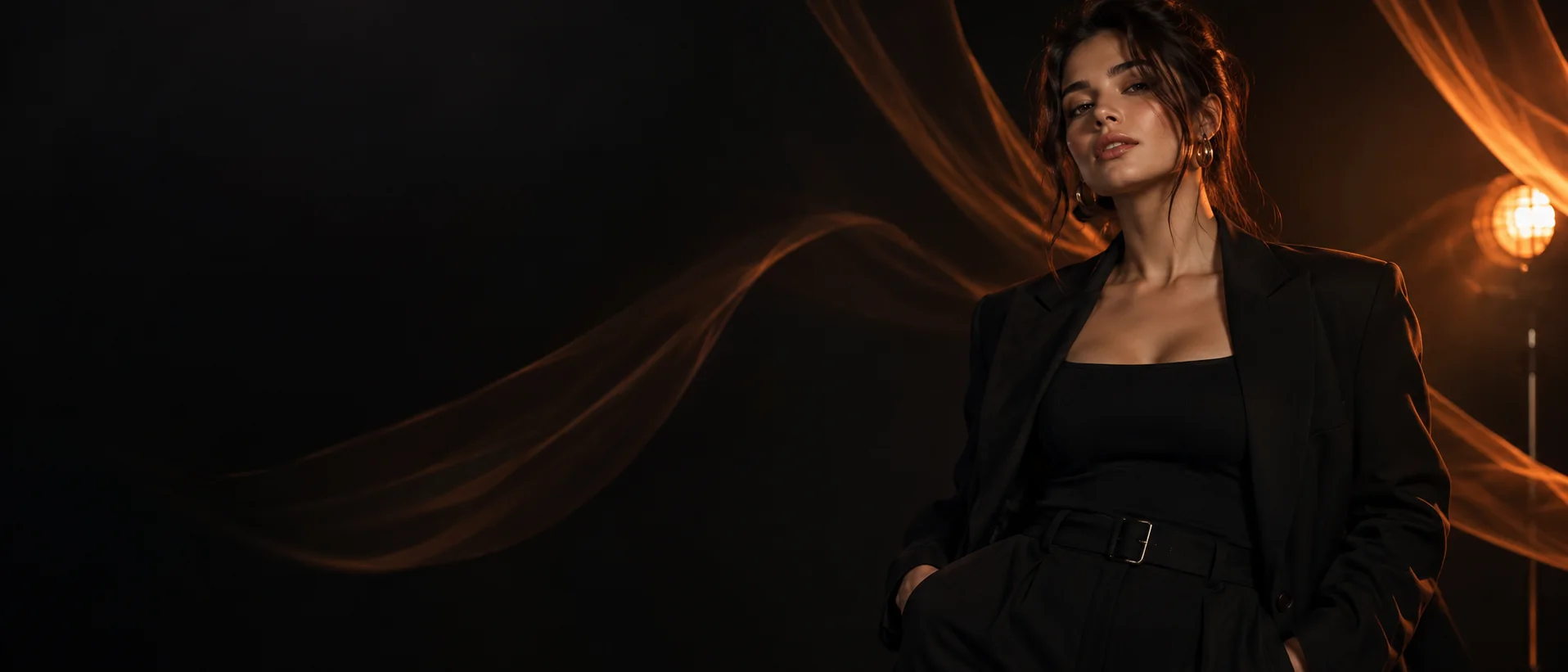
An AI character generator turns a written visual brief—and, when appropriate, an authorized reference—into character images. A useful workflow lets you compare results, refine the direction, and reuse selected frames in other media while you remain responsible for the final choice.
At a glance
Key facts before you generate.
- 01
Inputs
A written character and scene description, with an optional authorized reference when the selected model supports one.
- 02
Outputs
Generated character images that can be reviewed, organized, and used as starting frames for supported short-video workflows.
- 03
Best practice
Fix the identity-defining traits first, then change one major scene variable at a time.
- 04
Important limit
A reference can guide identity, but generative output can still drift and requires human review.
A practical workflow
From character brief to reusable media.
- 01
Define the character
Write down appearance, wardrobe, setting, mood, framing, and the details that should remain recognizable.
- 02
Choose a model
Compare model strengths and select one that fits the realism, illustration style, or input method your idea needs.
- 03
Generate and review
Create variations, inspect anatomy and identity details, and keep only the outputs that match the brief.
- 04
Extend the concept
Use an approved still as the starting point for short motion or pair the project with spoken audio.
Creative control
Originality starts with specific decisions.
A clear character brief produces a stronger creative thread than a generic prompt. Reuse concrete visual traits while changing only the scene, pose, or camera direction.
Generative output varies. References and repeated language can improve continuity, but every result still needs human review.
Read responsible-use guidanceBest suited for
Character concepts with room to develop.
Original fictional personas
Explore a new adult character’s appearance, wardrobe, visual tone, and environment before committing to a larger project.
Recurring creator identities
Build a curated library of approved character frames for social concepts, stories, or virtual-influencer planning.
Cross-format experiments
Develop the visual direction in still images first, then test selected frames in short motion or spoken-audio projects.
Prompt pattern
A useful starting structure.
Character brief: Adult fictional travel photographer, recognizable oval face and short dark curls, linen jacket, candid medium portrait, late-afternoon Lisbon street, warm natural light, realistic editorial photography.
Adapt this structure to your own idea. Model behavior varies, so treat every generation as a candidate to inspect rather than a guaranteed final asset.
Explore the workflow
Related AI creation guides.
- 01
Consistent AI characters
Keep recognizable traits while scenes and creative directions change.
- 02
AI video generator
Create short motion from prompts or a selected starting image.
- 03
Image to video AI
Direct the motion of a still image with a focused prompt.
- 04
AI selfie generator
Explore new portrait directions from authorized references.
Useful answers
AI character generator FAQ
01Can I create a fictional character from text?
Yes. Describe a clearly adult, original character and the scene you want. Available controls and output style depend on the model you select.
02Can one character appear in different scenes?
You can reuse an authorized reference and a stable creative brief across prompts. Results can still vary, so compare outputs and retain the versions that preserve the intended identity.
03Can I turn a character image into video?
Yes. Select a suitable generated still, choose an image-to-video model, and describe the motion rather than rewriting the entire image.
04Can I copy a real person?
Do not use someone else’s likeness without the necessary consent and rights. Build an original character or use references you are authorized to use.
Create, compare, review
Give your character a recognizable visual language.
Editorially reviewed: